


TL;DR
- Age verification recently went into effect for Xbox platforms in the UK on July 28th, 2025, due to the Online Safety Act.
- Across the globe, more countries are implementing enforcement to require gamers to verify their age via ID or other methods.
- The long-term effect of age verification on esports could be huge, as millions of gamers under 18 won’t have access to many popular games, likely leading to smaller player bases.
- A smaller player base could translate to fewer esports viewers, creating a stagnation in the competitive video game industry.
- Alternative types of age verification that are less intrusive may be the key to appeasing both sides.
The number of countries considering age verification for social media and video games is growing by the day. More parents believe that their children should be locked out of mature online content before they turn 18, causing some countries to adopt a system requiring users to submit their ID to play.
Though age verification is a controversial topic for everyday gamers, we’d like to explore it from a different angle. New laws that limit the potential player base for games may have huge impacts on esports, as a competitive title is only as strong as the size of its fan base.
What is age verification in gaming?
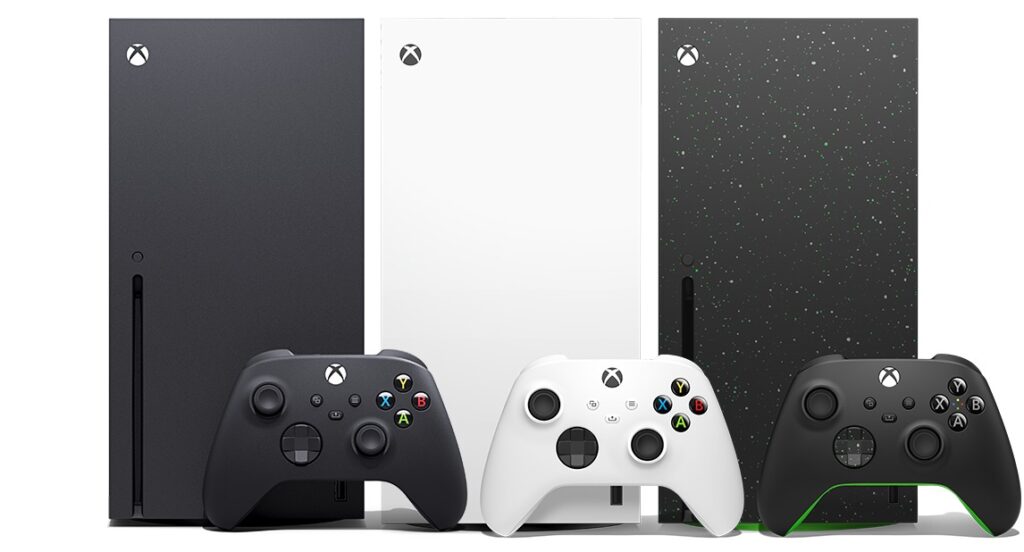
Age verification requires the user to provide their ID or other official documentation to prove their date of birth. The purpose is to limit access to mature content for minors, like violence, vulgar words, or sexual themes. On July 25, 2025, the Online Safety Act became law in the UK, and Xbox platforms are now beginning to require players to verify their age.
Countries like China and South Korea already require citizens to confirm their age before accessing certain content, including video games, so this isn’t a concept exclusive to one place. Some US states have even begun requiring age verification to access select websites, signaling that the United States may be the next country to consider this feature for online gaming platforms.
Age verification affects more than just video games
Due to the UK’s Online Safety Act, Xbox users will be required to verify their age to access adult-themed video games, such as Grand Theft Auto 5 or the Call of Duty franchise. However, games aren’t the only consideration. Social features on Xbox platforms will also be blocked until users verify their age, leading many gamers to feel forced into providing their ID.
It’s understandable that UK lawmakers want to restrict certain games or features for children, but a lack of text or voice chat can completely destroy a player’s enjoyment of multiplayer games. This is why age verification could be a very bad thing for esports in the long run.
What impact will age verification have on competitive esports?
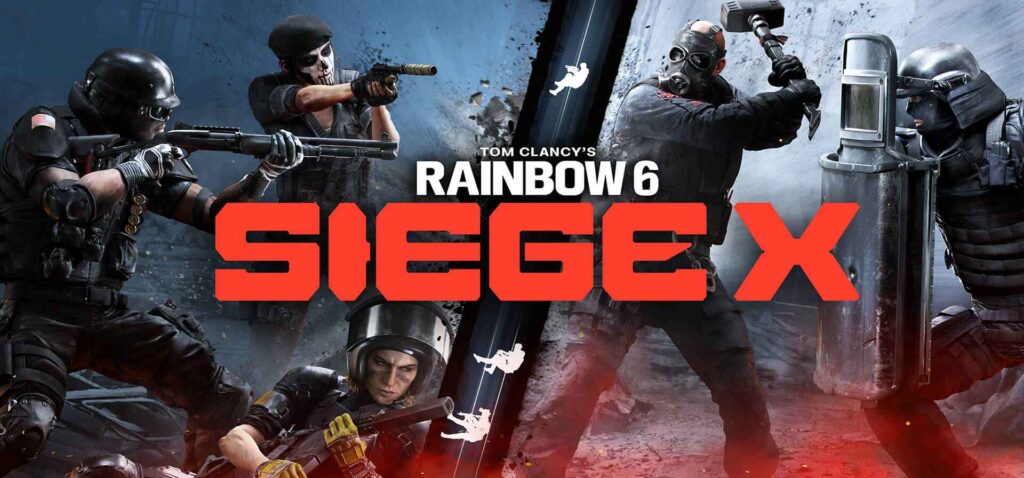
We expect the impact of age verification on esports to be huge, at least if it’s implemented in many countries across the world. There are millions of esports fans who aren’t yet 18, so locking the next generation out of popular competitive titles like Call of Duty or Rainbow Six Siege X may limit the viewer base for their respective esports communities.
While locking kids out of mature content could potentially offer positive results to society, age verification may also have a negative effect on adult gamers. Not everybody is willing to provide their ID to every website or platform they’d like to play on, so we could see a decline in online gaming among all ages in countries where age verification is required.
The esports industry is still in its infancy, but age verification may significantly limit the number of fans since so many viewers won’t have access to the actual game. Streaming platforms could also begin requiring age verification in the future.
Alternatives to age verification

The biggest way that platforms can avoid losing gamers is to offer alternative options to ID verification. Many gamers don’t feel comfortable offering their personal documents to media companies, so finding secondary ways to confirm a person’s age is the first step.
Take Xbox’s new age verification in the UK, for example. While you can provide your ID, Microsoft also offers other ways to confirm your age. Through a mobile provider check, Xbox will collaborate with your mobile provider to confirm your real age by offering nothing more than your phone number. Alternatively, age estimation allows Xbox to determine your age range without the need for external information, just a simple picture.
There will always be a need to provide some level of personal info to verify your real age from across the internet, but providing multiple methods allows players to pick and choose which information they’d like to share. Age verification isn’t a perfect system, but if it becomes mainstream, then hopefully Sony, Nintendo, and other platforms will offer up choices for how to verify.
Conclusion

With the way the world is trending, it appears the anonymous internet is coming to an end, and online age verification could become commonplace. The future is uncertain, but there are steps that gaming platforms can take to improve the situation for players.
If gamers and lawmakers work together, then online gaming could become a safer, more welcoming environment for all. However, we need to have non-intrusive options for age verification; otherwise, many gamers could end up abandoning their favourite esports and platforms altogether.
FAQs
Age verification for Xbox users in the UK came into effect on July 28, 2025, due to the Online Safety Act.
Yes, there are some age restrictions for video games played in the United States. However, age verification via an official ID is not required to buy mature video games through online platforms.
Many countries have some level of age restriction and verification in place in order to purchase or play mature video games. Additionally, some countries in Europe and other parts of the world are currently working on laws to limit social media use for children, which could be applied to gaming platforms in the future.
Below, we’ve listed the countries we found to have age verification laws in place for gaming as of August 2025.
• South Korea
• China
• Germany
• United Kingdom
The post How will age verification affect competitive gaming? appeared first on Esports Insider.





