

TL;DR
- Mobile Legends: Bang Bang was built from the ground up for the mobile experience, while Wild Rift plays like it was ported from PC.
- MLBB has short matches, simple controls, and is optimised for lower-end phones.
- MLBB has a thriving esports scene with many local leagues that lead to the global stage.
- Wild Rift is more complex and doesn’t support their esports scene outside of China.
Mobile Legends: Bang Bang landed in 2016, built natively for thumbs from the start. Short rounds, snappy controls, and a lightweight performance meant no fuss; it just worked, and millions of players piled in to play. Four years later, Riot rolls out League of Legends: Wild Rift, essentially League in your pocket, aiming to carry that PC vibe into a mobile scene that was exploding.
Riot’s LoL branding and pedigree should have easily overtaken the lesser-known title, but MLBB has remained the frontrunner in players, cultural impact, and esports. Where has MLBB, the copycat sued by Riot multiple times over the years, found success where Wild Rift couldn’t?
Accessibility against complexity
Once a fierce rivalry where both games vied for dominance in the mobile MOBA scene, Mobile Legends: Bang Bang’s player base towers over Wild Rift’s as of 2025. Moonton’s global phenomenon has reached over 500 million downloads on Google Play and upwards of 220 million on the App Store, with more than 42 million monthly active users as of August 2025. By contrast, Wild Rift’s player count, while still in the millions, is much lower at an estimated 3.5 million active players.
The key to a great mobile game is accessibility, and MLBB found a way to work that accessibility to its advantage. Pressing play puts players in a lobby within seconds, and games in MLBB are quick and don’t typically last longer than 20 minutes. The average player can easily squeeze in a game on their lunch breaks, during their commutes, or even between classes.
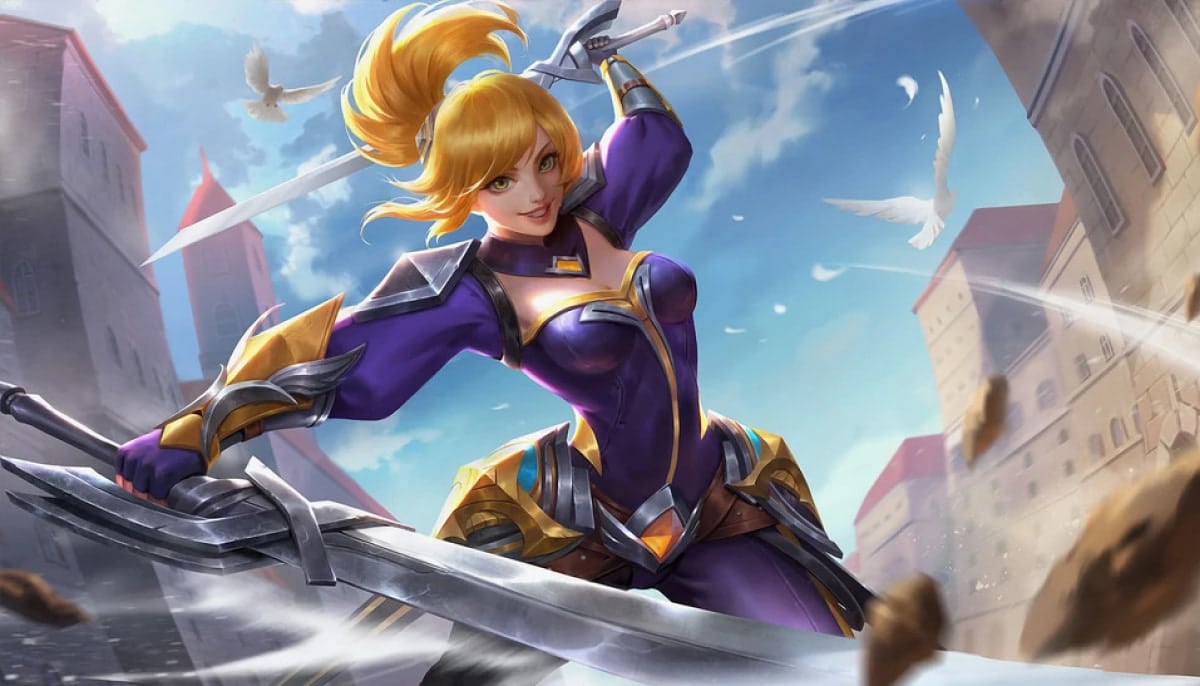
Most heroes in MLBB also have easy-to-understand kits, and usually have three active abilities. This allows new players to easily explore their hero’s capabilities, weaknesses, and ways to contribute within just the first few matches. Even the most mechanically demanding heroes, like Fanny, are the exceptions rather than the rule.
The game’s low entry barrier broadens its reach well beyond casual gamers. With its low hardware requirements, MLBB renders smoothly even on budget smartphones that are common in Southeast Asia. Inclusivity has been one of the game’s biggest strengths in SEA and the wider APAC region.
Although veteran MOBA players might look for the intricate game strategy found in League of Legends, most mobile players find MLBB’s fast pace and easy onboarding highly appealing.
Wild Rift stays truer to its PC roots. Despite having fewer champions to choose from, Wild Rift emphasises playing with skillshot precision, macro decisions, and smart drafting. Many champions’ skill sets have a much higher skill floor to become successful with the character.
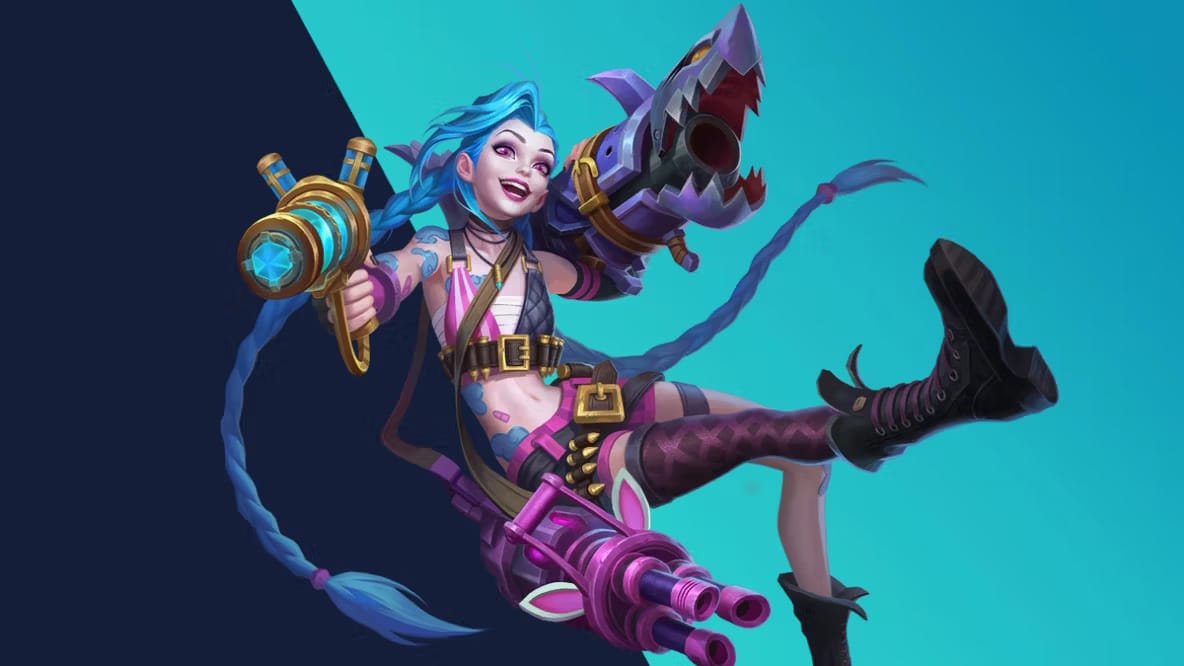
Many champions in Wild Rift live or die on whether or not players can hit their important skill shots, like with Blitzcrank and Morgana. This also includes dodging those skill shots in a hectic team fight. Draven requires players to catch his Spinning Axes or lose most of his damage; characters like Zed and Riven have tight sequencing in their combos; characters like Aurelion Sol have kits that won’t click with the player on the first playthrough.
Wild Rift’s macro game, which is based on its PC counterpart, has a faster pace but still requires strategic planning. Mechanics like runes, jungle timings, objectives, and a robust item shop make the game more complex. Ideally, matches will last as long as the average Wild Rift game, but it’s a common sight to see matches stretching longer when games are evenly matched.
Unfortunately, these strengths are also Wild Rift’s limitations. Longer matches and a steeper skill curve require focus and uninterrupted play, which don’t quite align with how many mobile gamers play. And while its graphics are crisp, older and budget devices struggle to keep up with Wild Rift’s higher performance demands.
Additionally, MLBB is also friendlier for solo players, with more space for individuals to carry. Wild Rift, like League of Legends, has set times in the map for teams to group up to fight over objectives, as avoiding it can lead to a snowball effect.

Another point for MLBB is their player-friendly system of patches and monetisation. Moonton pushes out faster balance patches and hero adjustments, especially when they accidentally overbuff or nerf a hero, ensuring that the meta feels alive and that they’re responding to player feedback. This also keeps the meta dynamic, avoiding stale matches and gameplay.
MLBB also features cheaper cosmetic skins and passes compared to Wild Rift and HoK, making premium content attainable for a wider audience. On top of that, their Promo Diamonds events encourage players to go into matches more often to earn more free Diamonds, which they can use to purchase premium skins.
This reinforces MLBB’s image as a game that values inclusivity. Where Wild Rift leans toward prestige-driven cosmetics at higher costs, MLBB’s skins are more available to more players.
This is where Honor of Kings draws a parallel with MLBB’s success, by following in its footsteps instead of Wild Rift. It combines easy-to-understand visuals with accessible performance for most devices. MLBB and Honor of Kings feel and play with mobile gamers in mind.
MLBB has quick matches with its mobile-first philosophy, easy-to-grasp controls, and a vast range of device compatibility, exactly what most mobile gamers require. While Wild Rift is deep and graphically beautiful, it still tends to play like a PC game adapted to a smaller screen too many times, instead of being built for mobile from the ground up.
Grassroots esports economy
In esports, the M6 World Championship, MLBB’s flagship international tournament, registered over four million peak viewers. However, ML’s esports ecosystem is so healthy that there are multiple leagues in different countries, dubbed Mobile Legends Professional League (MPL). Originally starting with Indonesia, the Philippines, and Malaysia/Singapore, more leagues were established in the following years.
Moonton eventually branched out to Brazil and Cambodia in 2021, as well as North Africa and the Middle East in 2022. Through the MPLs, Moonton created communities of players who were put on the global stage through the M-Series World Championships.
MLBB’s dominance in Asia is not just a product of its gameplay. It is rooted in how deeply and aggressively it has embedded itself into local culture. MPL broadcasts incorporate local languages and organisers, cultural references, and humour that make them feel native to each region. Pro players aren’t just esports professionals; they’re household names.
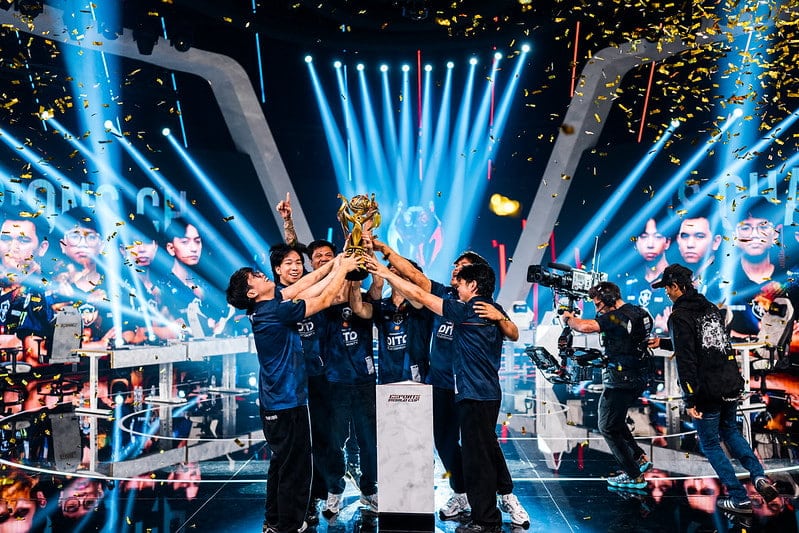
Moonton has largely been successful in its strategy. Season 15 of MPL Indonesia peaked at 4.1 million concurrent viewers across platforms, which was the highest turnout of viewers in the history of MPL Indonesia. This was the top viewership milestone across the global MLBB circuit and esports leagues.
The M-Series World Championships expectedly surpassed this. In 2023, M5 reached over five million concurrent viewers, which was the most-watched esports finals game that year.
MLBB’s cultural integration and structured competitive ecosystem worked hand in hand to promote MLBB as not only a MOBA to play, but as a phenomenon to watch with a pipeline to pro play. Community tournaments feed into the MPL, where they don’t just stop at their region; they go on to represent their teams at the M-Series World Championships.
On the other hand, Wild Rift launched with the weight of Riot’s legendary League of Legends brand, carrying the promise of delivering that same PC experience to a whole new generation of mobile players. Coming in four years later after MLBB meant that they had to be good enough to take invested players away from their main game. The Icons Global Championship 2022 showed some promise, drawing over 54,000 peak viewers, but the spark faded quickly.
Riot Games had decided to withdraw official esports support for Wild Rift events outside Asia. As such, regions like Brazil and North America were forced to rely on less accessible, smaller third-party organisers for Wild Rift tournaments.
The game’s competitive scene quickly plummeted and never had a chance to fully develop because of this. To compensate, Riot honed in on the Wild Rift League in China and the Asian market, seeing as mobile gaming was already drawing large audiences.

Wild Rift’s tournaments have been concentrated in China for the last two years. The last international tournament took place in the Wild Rift League Asia 2023 Season 2 Finals with a peak viewership of less than 10,000. Honor of Kings (HoK), China’s mobile MOBA titan and real rival to MLBB, pulled over 653,309 peak viewers at the 2025 HoK World Cup.
As a result, Wild Rift’s competitive momentum stalled before it could mature. While Riot still promotes organised play via the Wild Rounds Initiative, regional tournaments featuring pro and influencer matchups in places like Brazil, Korea, the Philippines, Turkey, and Vietnam, this remains supplementary rather than foundational to its esports ecosystem.
While it may be impossible to catch up to MLBB’s wild success, Riot is still dedicated to Wild Rift. In their annual player letter for 2025, they have reflected on the stage of the game, talked about future investments into the game, and laid down the challenges of making a mobile MOBA.
Players still committed to Wild Rift and potential returning players should expect quality of life changes, an improvement in matchmaking, and making Wild Rift more competitive with other modern MOBA titles.
Conclusion
MLBB’s reign is no coincidence. Through mobile-first design, accessible economies, cultural integration, and layered esports infrastructure, Moonton built a resilient ecosystem that has stood the test of time, with HoK following suit. It is an ecosystem that keeps the hype alive from local level tournaments to world championship stages.
Wild Rift entered the market riding on Riot’s powerhouse brand, boasting sleek visuals and an ambition to deliver League of Legends to mobile players. While it does to some extent, Wild Rift struggled to keep up with its slower match pacing, higher entry barriers, and issues with its competitive leagues. All of these made it difficult to hold momentum for Wild Rift.
Love it or hate it, MLBB is leading the pack for mobile esports, daring others to keep up.
FAQs
Despite the global appeal of League of Legends, millions of players outside of China still lean toward Mobile Legends: Bang Bang over Wild Rift.
If you’re already experienced in MOBAs and want a more traditional experience, play Wild Rift. However, if you want a better mobile experience, which includes better progression, cheaper skins, and a more active esports scene, give MLBB a shot.
References
- Mobile Legends: Bang Bang Live Player Count and Statistics (Active Player)
- League of Legends: Wild Rift Live Player Count and Statistics (Active Player)
- M6 World Championship / Statistics (Esports Charts)
- Icons Global Championship 2022 / Statistics (Esports Charts)
- Wild Rift Annual Player Letter (Riot Games)
The post Why MLBB might outlive Wild Rift appeared first on Esports Insider.





