

TL;DR
- TI’s prize pool peaked in 2021, reaching $40 million through crowdfunding.
- The International used to be preceded by Majors and a pro circuit that led to the event.
- The pandemic broke the tournament cycle, eventually leading to Valve scaling back.
- The International and the annual Battle Pass took too many of Valve’s resources for one yearly event.
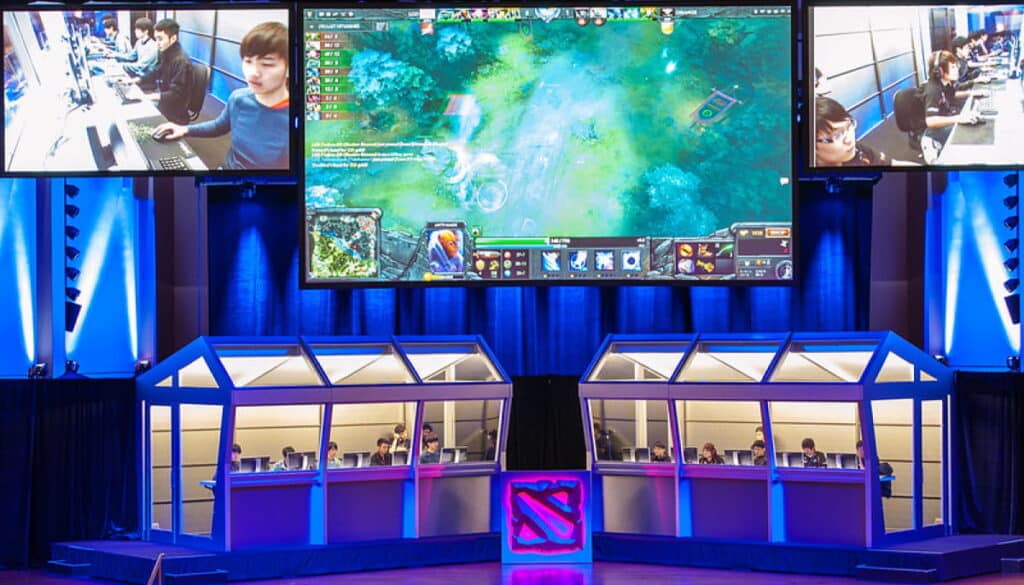
Since 2011, The International has been Dota 2’s most anticipated event. What began as a marketing stunt for an unreleased game became an unprecedented, community‑powered phenomenon that set records for prize money and viewership.
During its golden years, Dota 2 esports were a busy season that ultimately led to eventual Aegis winners in TI. However, Valve has slowly reset its approach to the system and eventually stepped away from the day-to-day operations of the tournament. Why does it seem like Valve gave up on The International?
The International’s golden years
Before understanding the weight of Valve’s decision to step back from organising The International, we need to look back at everything fans lost from this transition.
Astronomical prize pools and Battle Pass
The inaugural International arrived at Gamescom in 2011 with a $1.6 million prize pool and 16 invited teams. The figure was unprecedented, especially for a game that’s not even available to the public. The bold move was a success and instantly positioned Dota 2 on the global stage.
In 2013, Valve introduced the Interactive Compendium, an in‑client programme that funnelled a share of cosmetic sales to the prize pool while delivering rewards, quests, and fantasy drafts to fans. This is widely credited as the first iteration of a battle pass that became the lifeblood of modern live-serving gaming.
As a result, TI3’s prize pool increased to $2.8 million. But by 2014, it ballooned to $10.9 million and became larger and larger in each successive year. Dota 2’s astronomical prize pool peaked in 2021, breaking records with its $40 million total prize pool.
The Compendium and Battle Pass created a visible loop between player spending and a bigger, better event, turning fans from passive viewers into active participants. Watching the prize ticker climb, voting on stretch goals, voting for the next arcana, and levelling rewards became a seasonal ritual that reactivated lapsed players, kept the core engaged, and drew in new viewers when Dota 2 was most visible.
Competitively, outsized stakes concentrated talent and raised standards across regions, prompting investment in coaching, analytics, and support staff because life-changing winnings were within reach. Alongside it, team-branded cosmetics, Supporters Clubs, and player stickers or autograph capsules directly shared revenue with organisations and pros, providing them with financial security.
Majors and Dota Pro Circuit
By 2015, Valve sought to sustain interest across the year rather than concentrate everything on a single summer spectacle. The Dota Major Championships introduced three official stops that led into TI and standardised formats and prize levels, similar to Valve’s other successful esport, Counter-Strike.
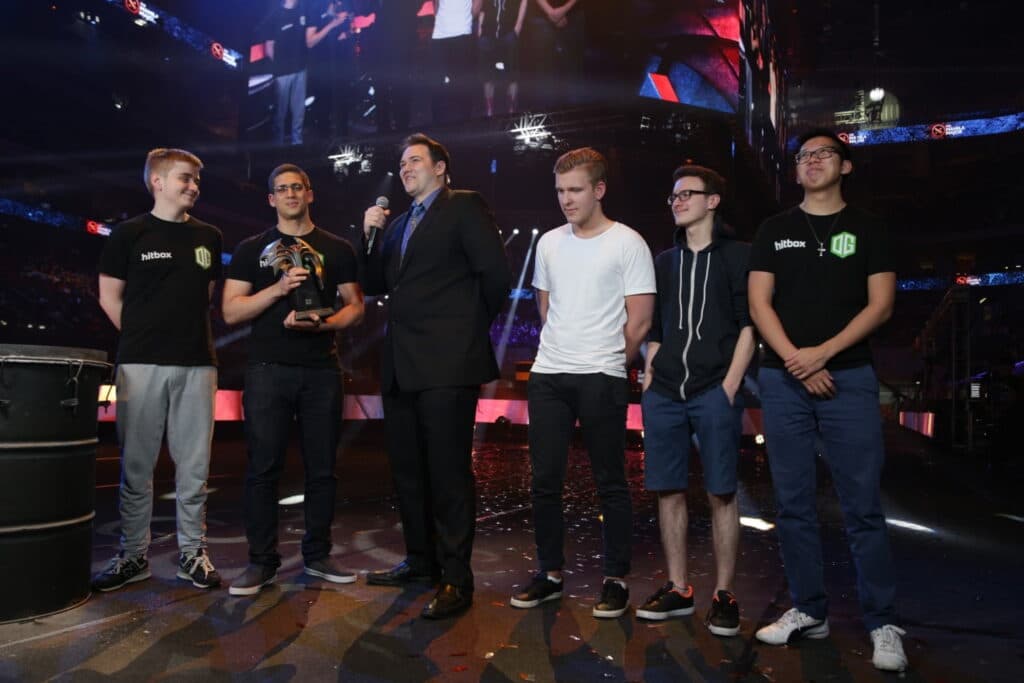
At its worst, events like the Shanghai Major in 2016 damaged confidence in Valve’s event management. Production failures in that event were so controversial that it caused Valve to lean more heavily on specialist partners, most prominently PGL, to deliver consistent stagecraft and broadcast quality.
In 2017, Valve replaced the Majors‑only model with the Dota Pro Circuit, a points‑based tour that attached TI qualification to performance across Majors and Minors operated by multiple organisers. Every sanctioned tournament was equally important, since DPC points determined which teams made it to that season’s TI.
For spectators, it was great, and they were treated to many high-stakes tournaments. However, drawbacks included overscheduling, player burnout, and diluted prestige when notable events occurred almost every week. Additionally, there was less emphasis on tournaments outside the circuit, even if teams had enough time to attend in the first place.
True Sight
Valve first experimented with storytelling with Free to Play, a feature-length documentary that followed three professionals who participated in the first International, shedding light on the emotional core of the players.
The spiritual successor for this was True Sight, where it provided a closer look at the TI finals, showing what goes on during crucial moments like drafting, in-game comms, and the talks in between. TI8’s True Sight is the pinnacle of the series, showing a cinematic narrative of what went down in the grand finals between OG and LGD.
The fall of The International
The global pandemic severely affected esports, and Dota 2 was no exception. The International 2020 (TI10) was delayed, and the circuit slammed to a halt. ESL One Los Angeles, EPICENTER Major, and ONE Esports Singapore Major were cancelled.
Then Valve pulled the financial lifeblood that kept organisations afloat. In a blog post, Valve cancelled Battle Pass just before Dota 2’s 10-year anniversary. Valve wanted to focus on frequent updates outside of Battle Pass, so more players could enjoy it without paying. The reasoning was sound, but it removed an engine that kept pros afloat, and TI prize pools slowly dwindled down.
Events like Crownfall were better than the paid Battle Pass, and updates like New Frontiers reinvigorated Dota 2. But these were sporadic and entirely dependent on Valve’s enigmatic schedule. Like the fate of all Valve games, players were oftentimes left dry for months on end.
Valve shuttered the Dota Pro Circuit, ending the year-round league and Major framework that had made high-stakes Dota predictable for fans, sponsors, and teams. The ecosystems became much more open, and third parties were encouraged to set up tournaments.
True Sight, which preserved the human side of the grand finals, went quiet after TI10. TI11 and TI12 crowned worthy champions, but left fans in the dark with what happened behind the scenes.
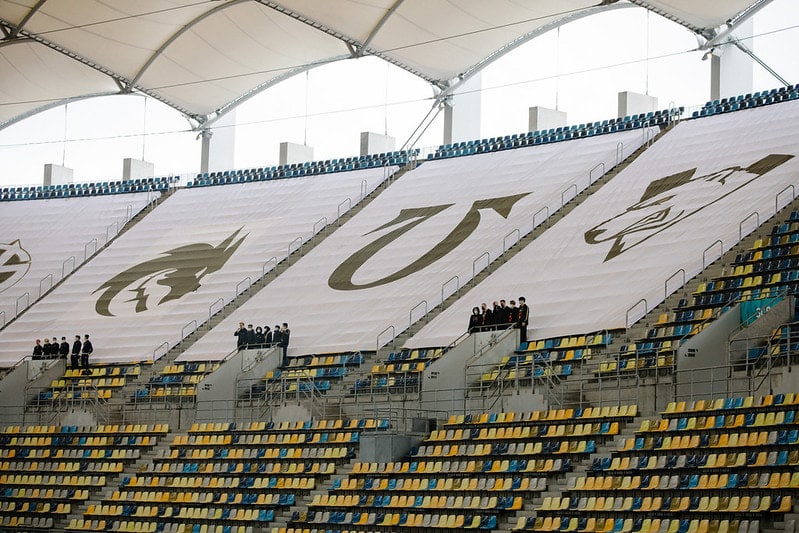
By 2024, the last piece clicked into place: Valve ceded operational control of TI to PGL. Valve remained the sanctioning body and benefactor, but PGL ran the show end-to-end. TI still crowned the best team in the world, but it didn’t feel the same for everyone involved.
Valve stepping back was healthier for the game
Valve handing over the reins to The International was ultimately healthier for Dota 2; it still set the background for content droughts that could last for months. The Battle Pass had grown into an all-consuming annual project that diverted months of engineering, art, and design into a single monetisation window.
Removing Battle Pass freed the team to ship broader, more frequent updates that reach every player, not just paying collectors. At the same time, the DPC’s rigid calendar made events feel rigid and left little room for third parties to step in to host their own tournaments.
Despite what happened, The International is still the most anticipated event of Dota 2 esports. However, it’s getting harder for teams to sustainably rely on this esports ecosystem. The decentralisation brings many upsides but also inconsistency. Many old guard organisations have released their rosters and left the game because of the risk.
Conclusion
Valve paved the way for esports with Dota 2 and The International, delivering unprecedented highs and impossible community-funded prize pools. However, the over-centralised economy was too taxing on the developers and unhealthy for both the pros and casual players.
Officially, Valve has promised frequent updates outside of TI and for the most part they have delivered, even if it takes a while to do so, but the esports scene may suffer if they don’t step in to save it. The International may never come close to the $40 million prize pool again (or any other esport for that matter), but Dota 2 can look to other esports and create a stronger, more sustainable floor for everyone involved.
FAQs
Who is the organiser for The International?
Since 2014, PGL has been the main organiser for the tournament, while Valve is still listed as the sanctioning body.
Why did Valve give up on The International?
Valve stepped away from the International because it took too many resources away from the developers for one big annual event.
How big is TI14 compared to previous years?
According to esports charts, The International 2025 (TI14) group stages saw an increase in viewership compared to last year. The elimination match between Falcons and Spirit peaked at 806,577 viewers.
References
- The International (Dota2)
- Dota 2, Learning from the Past, Looking to the Future (Steam)
- TI 2025 Group Stage: Record Viewership & Shocking Upsets (Esports Charts)
The post Why did Valve give up on The International? appeared first on Esports Insider.





