

Michigan’s gambling history isn’t just about the casinos that survived — it’s about the ones that didn’t. These seven defunct venues, ranked by historical impact, helped shape tribal sovereignty, urban gaming and regulatory reform. Though gone, their legacies still influence how Michigan plays.
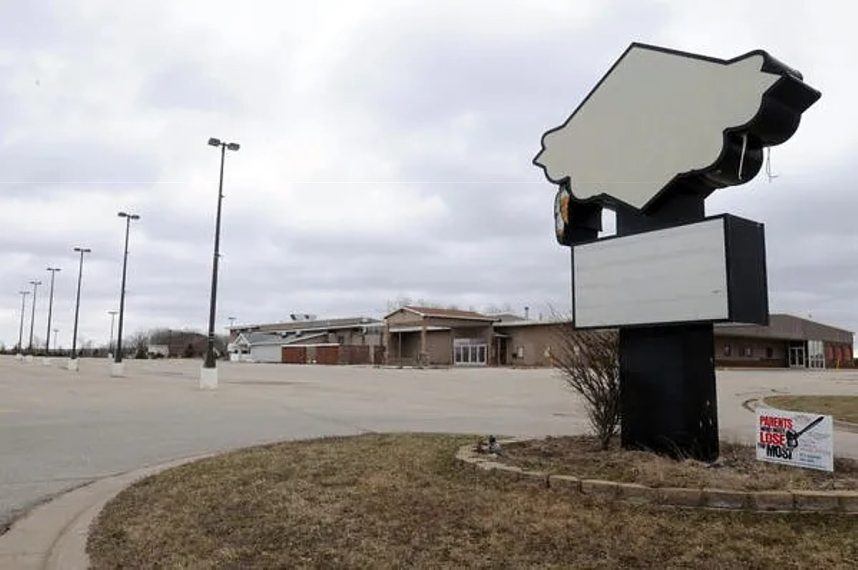
5. Victories Casino (2000–2007)
Petoskey — Little Traverse Bay Bands of Odawa Indians
Housed in a converted bowling alley, Victories Casino was the tribe’s first full-service gaming venue. It operated for seven years and helped establish Odawa gaming in northern Michigan.
Why It Closed: Replaced by Odawa Casino Resort on June 20, 2007
What’s There Now: Demolished in 2013; site remains undeveloped
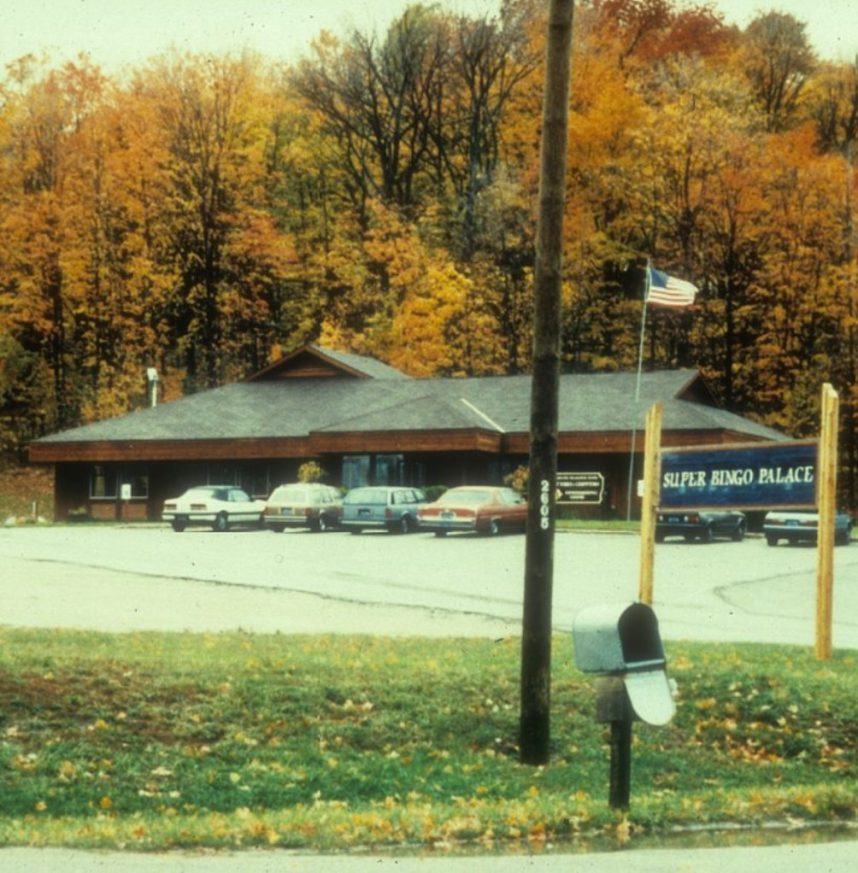
4. Super Bingo Palace (1984–1985)
Peshawbestown — Grand Traverse Band of Ottawa and Chippewa Indians
Opened in July 1984, this was the tribe’s first foray into high-stakes bingo. It drew consistent crowds and helped push Michigan toward formal tribal-state compacts. Though technically a bingo hall, it operated as a full gaming venue under tribal sovereignty and helped establish the tribe’s Class III ambitions.
Why It Closed: Evolved into and replaced by Leelanau Sands Casino (opened May 1991)
What’s There Now: Demolished; site now part of Turtle Creek Casino & Hotel
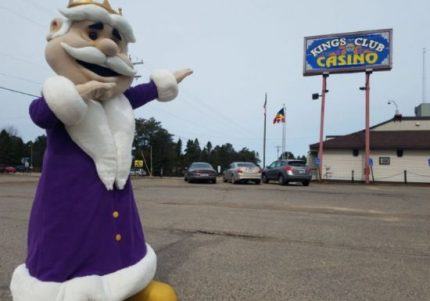
3. Kings Club Casino (1984–2020)
Brimley — Bay Mills Indian Community
The first tribally owned casino in the U.S. to offer slots and blackjack. Kings Club operated for 36 years and helped launch the modern tribal gaming movement.
Why It Closed: COVID shutdown; never reopened
What’s There Now: Demolished in 2025; site being redeveloped into retail and apartment.
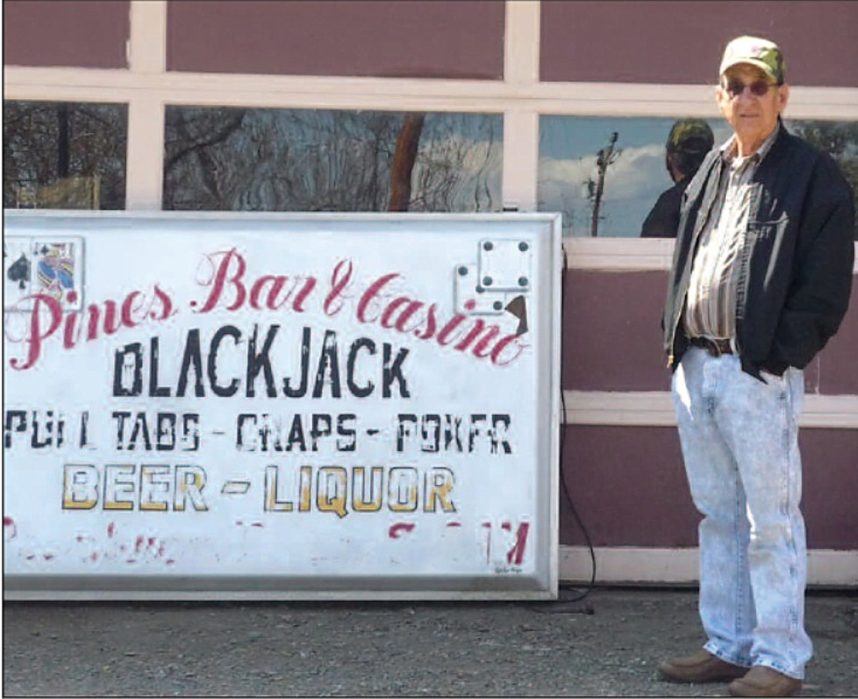
2. The Pines Casino (1983–1985)
Zeba — Keweenaw Bay Indian Community
Fred Dakota’s garage casino operated legally under tribal sovereignty on Keweenaw Bay Indian Community trust land. However, it violated Michigan state law, which prohibited public gambling outside licensed charities. This clash between tribal sovereignty and state criminal jurisdiction made the Pines a legal flashpoint for tribal gaming. Though short-lived, it triggered federal scrutiny and helped catalyze the Indian Gaming Regulatory Act of 1988.
Why It Closed: FBI raid and federal injunction
What’s There Now: Private residence; original garage still stand.
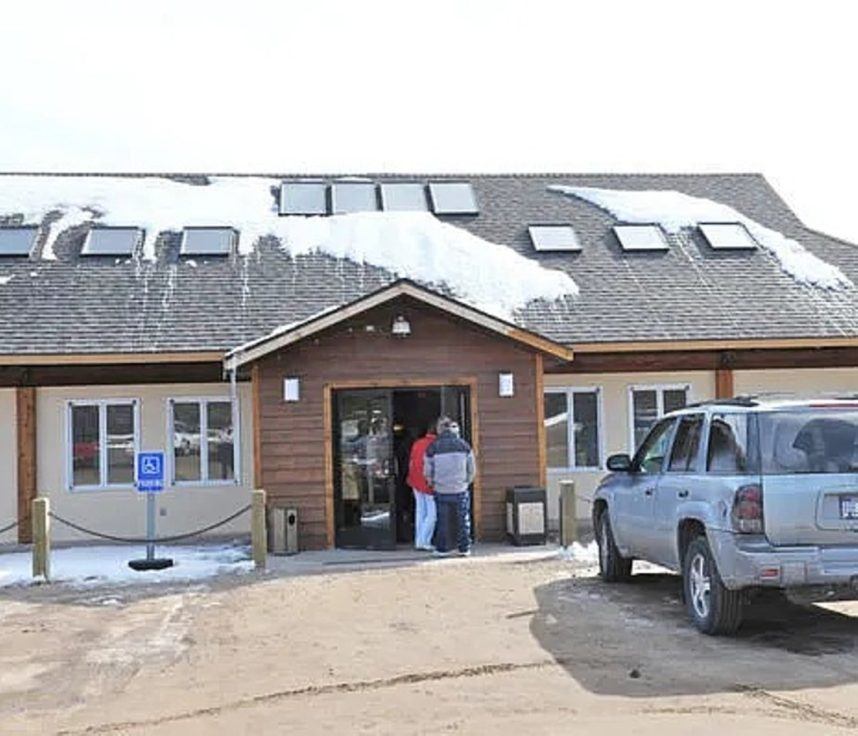
1. Vanderbilt Casino (2010–2011)
Vanderbilt — Bay Mills Indian Community
This off-reservation casino operated for just five months before the state sued, triggering a decade-long legal battle that saw the US Supreme Court rule that Indian tribes have sovereign immunity from lawsuits. The case was sent back to US District Court for the Western District of Michigan, where a settlement was reached in which the tribe agreed not to operate a gaming facility on the land for at least five years. The tribe, which became one of the first in the US to engage in statewide internet gaming, never reopened the casino.
Why It Closed: Federal injunction after state lawsuit
What’s There Now: Vacant building; no plans to reopen
The post Top 5 Defunct Michigan Casinos That Changed the Game appeared first on Casino.org.





