

TL;DR
- Professional CS2 players have turned their passion into a high-paying career.
- Pro players get unique opportunities to travel and experience culture.
- The job also comes with high pressure and long hours.
- Careers don’t last long, and we often see Pros retiring early.
It’s the dream of children growing up in nowadays seeing their favourite players on stage earning a living playing their game of choice, it seems like a dream for many gamers getting to play your favourite game, travelling the world and becoming famous in the CS2 scene but behind all the cheering crowds and adoring fans lies a world of intense pressure, horrible schdedules and career uncertainty.
Being a professional player requires more than just the skill with a mouse and keyboard with the best CS2 stats; you need to be able to commit full-time in and outside of the server, it demands discipline, teamwork, and mental fortitude. While they are compensated extremely well from high salaries to sponsorship deals along with a strong community following, the lifestyle it breeds comes with its own set of issues and challenges that not everyone may consider to be worth it, this can include long practice hours, online hate and toxicity as well as endless travel that can cause burnout, showing there are many highs and lows.
The good side of being a pro CS2 player
You get paid to play the game you love
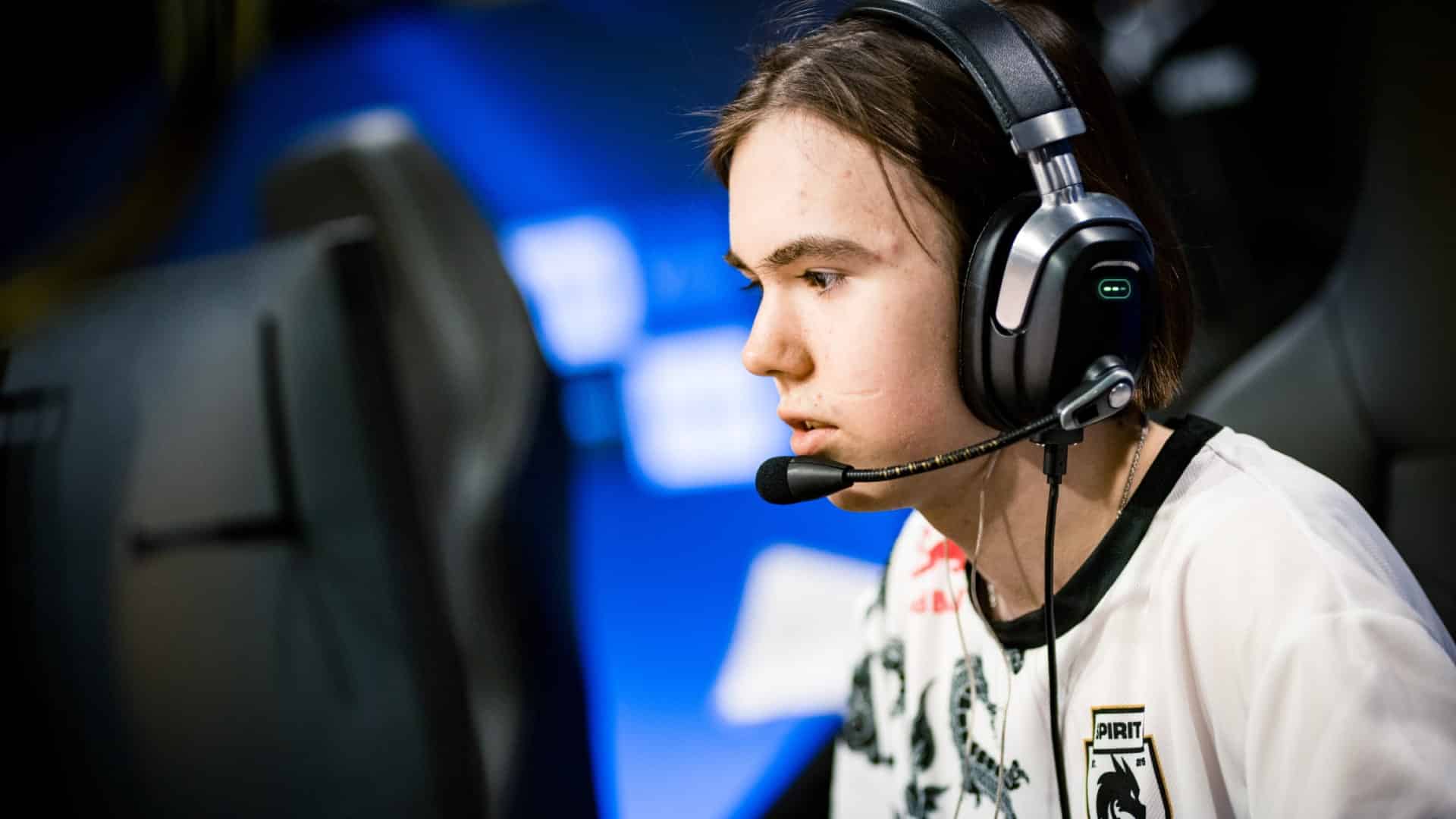
Despite historic events, the more recent events have a very large prize pool for example the most recent Major 2025 Budapest has a prize pool of $1,170,000 split across all teams with the first-place team earning $500,000, making just winning tournaments in recent days a high income this is without even considering the salaries and sponsorship deals while these numbers are not public facing as they are team and contract dependant but based on previous statements we can assume it is between $10,000-$25,000 a month for Tier 1 Pros while for some of the most notable players can get more than this which means even when not winning they get to a stable income in CS2 Esports.
Travel and experience
With success in esports comes the opportunity to see the world. Once players get to a certain level, usually around Tier 1 and 2, they will frequently get to travel to international CS2 tournaments, visiting new cities and countries, getting to meet new people while experiencing different cultures. These trips give players more than just competition; they are a chance for the players to make memories, meet fans, and connect with the wider community they meet online. This type of travel adds a sense of excitement and variety to the day-to-day life of a pro gamer.
Growth and recognition
There is more to a career in esports than just the financial incentive; you go on a journey of personal and professional growth. Players who compete earn the respect and recognition of their fan base, teammates, and a wider gaming community. This can take the form of cheering from the crowds at CS2 tournaments or social media praise. At the same time, you are refining your skills and constantly improving your reflexes, strategy, and developing your teamwork and communication skills while under pressure. The combination of both personal and professional growth can fuel motivation to succeed even more in the field.
The bad side of being a pro CS2 player
High pressure and demanding hours
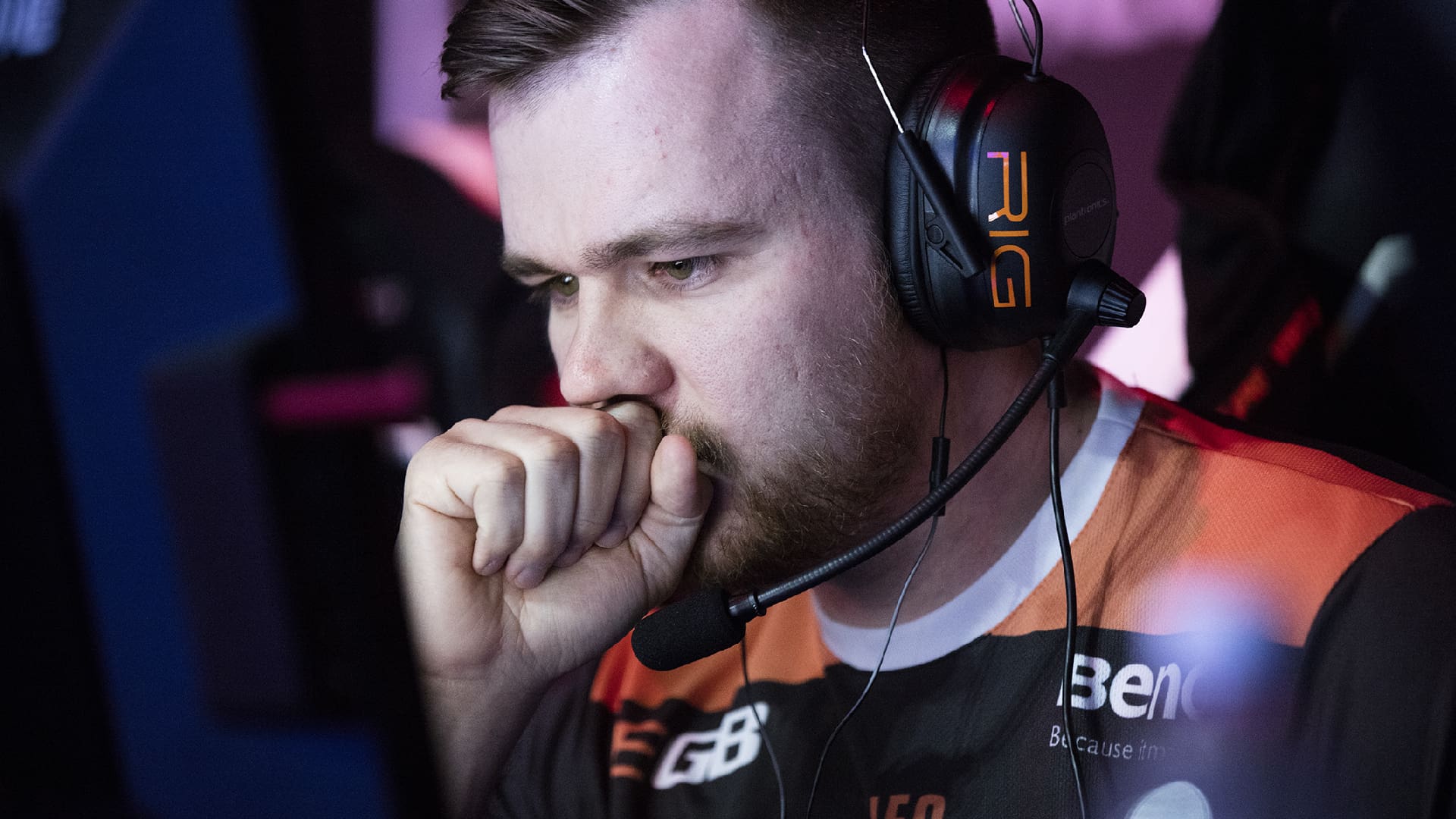
Behind all the fame and glamour of the tournaments and highlights lives a level of pressure and workload that not many people outside the industry can understand or will experience. Pro CS2 players are under constant pressure from fans, managers, and sponsors to keep playing long hours to perform at the highest level. They often have to work 10-12-hour days, including scrims, VOD reviews, and offline practice sessions.
This is done so that they can run through their set plays to make sure when the time comes, they execute them perfectly. There is little downtime for them outside of this, and often, the business and personal time have a blurred line. This can lead to burnout, which is why we often see pros retire in their late 20s to early 30s. It’s a very demanding environment that can test a person’s mental and physical endurance. We have seen quite a few players over the years transition into CS2 streamers instead of pro gamers.
A fragile career and a harsh online world
CS2 esports offers a booming career that often burns out quickly. Most pro-careers peak young with constant roster changes and shifting metas; these players rarely get more than a few years in the spotlight before being overshadowed by a new up-and-coming star. This also includes being traded out to other teams in favour of the newer stars, which can lead players to feel unstable in their careers.
We’ve seen this happen multiple times throughout the years. Many of the longer-standing players transition into casting like we saw with Chad “SPUNJ” Burchill who played for the Australian team “Renegades” in 2015 and transitioned into casting, or players like Filip “NEO” Kubski who is now the coach for FaZe after playing on the best teams in the world from 2006-2017, this keeps these players in the industry long after they retire as players
At the same time with the ever-growing CS2 player count these pros face a relentless assault of abuse and hatred online, which we saw a significant increase of with the introduction of CS2 Skin gambling, where players would give the players constant criticism for losing games and not performing at their best in every match, the toxic behavuor they receive can be very mentally straining for them which has caused players to take long breaks and even leave the scene.
Conclusion
Being a CS2 Pro offers a very unique blend of opportunity and challenge for most players it can seem like a dream career one that gives us fame and money with a strong community to support you however turning that love for your game into a profession has its drawbacks and requires sacrifice showing theres more than your CS2 stats that are needed but a strong mental fortitude as well so this life may not be the one everyone has dreamt of.
FAQs
How much do CS2 pros make?
How much pro CS2 players make wildly varies based on their ranking and tiers. From the lower tiers only making between $1,000-$2,000 per month, to Tier 1 pros that can range from $10,000-$50,000 per month, including salary, prize money, and sponsorships.
What is the difference between playing CS2 ranked and pro level?
CS2 is a difficult tactical shooter at a casual level; however, it’s a completely different game when played in the pro scene. Competitive Counter-Strike doubles down on the fundamentals: precise aim, impeccable movement, split-second decision making, and thorough knowledge of the CS2 maps available in the pool on rotation. Climbing through the CS2 ranks is challenging but rewarding.
Who is the richest CS2 player?
Currently, the richest CS2 player by winnings is Peter “Dupreeh” Rasmussen with an estimated earning of $2,225,525, while individual salaries and sponsorships could push others like Oleksandr “s1mple” Kostyliev ahead.
Why do so many CS2 pros retire early?
There are multiple reasons CS2 Pros retire early but mainly this is due to the pressure and burnout they experience the constant need to keep up with the younger generation and family commitments at home making the most common retirement age in their late 20s or early 30s but we have seen players such a Finn “karrigan” Andersen keep performing at a top level well into his 30s.
The post The good and bad of being a pro CS2 player: Counter-Strike as a career appeared first on Esports Insider.





